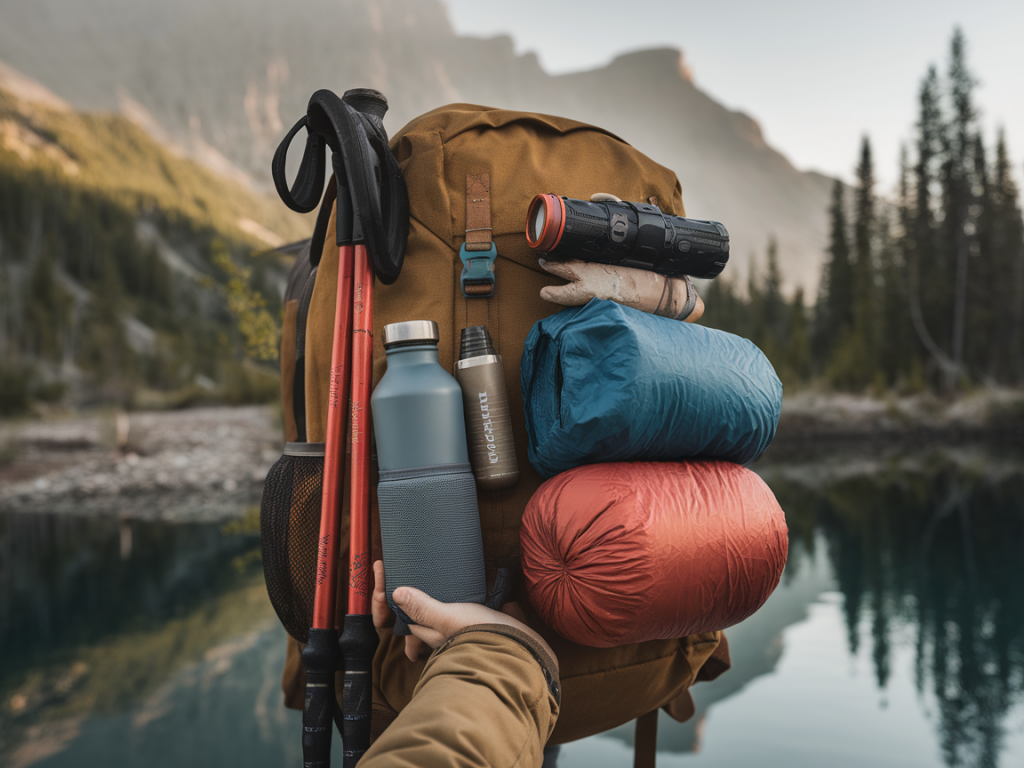
I travel slowly. Not the romantic slow-travel marketing kind that means “stay in an artisan B&B for a week,” but the kind that shows up as lingering in a neighborhood until I can tell the story of its corner shop, learning to navigate a city by bus routes instead of tourist maps, and carrying a small set of tools that let me live well wherever I land. Over years of packing and unpacking, testing gear until it either proves itself or goes in the bin, I’ve arrived at a compact, durable travel kit that supports slow exploration — not just comfort, but curiosity.
What “slow exploration” asks of your kit
Slow exploration isn’t about being lightweight to the point of deprivation; it’s about versatility, repairability, and the sort of reliability that lets you focus on paying attention, not fixing things. A travel kit for this kind of travel should:
The backbone: bags and organizers
Start with a bag you trust. I use a Farpoint 40 by Osprey for longer trips and a Tom Bihn Synapse 19 for day-to-day exploration. Both balance comfort and durability; both have sensible internal organization and zippers that still work after twenty thousand miles. For slow travel, choose something with a good hip belt and a carry-on-friendly size — you’ll want to be able to stay mobile without leaving home comforts behind.
Inside the bag I use small organizers:
Clothing: a slow capsule that’s easy to care for
My clothing philosophy for slow trips is durability, neutral colors, and layers. I aim to wash infrequently and dry quickly. Staples in my kit:
Choose wool and synthetic blends that resist odor and handle frequent washing. Bring three tops, two bottoms, one versatile jacket, and one nicer shirt for evenings. The fewer moving parts in your wardrobe, the easier it is to feel settled in each new place.
Essentials that make slow travel livable
These are the small things that keep life moving smoothly:
Repair kit and basics
Slow travel is at least partly about staying put long enough for small mending jobs. A tiny repair kit can save a day of stress:
Tech that supports curiosity, not consumption
I keep tech minimal but powerful enough for research, journaling, and maps. My choices favor longevity and repairability.
Bring cables in a small case and label them with washi tape. Back up photos every few days to a portable SSD (Samsung T7) so a single lost device doesn’t erase a month of wandering.
Paper and pens — the underrated essentials
For slow travel, I keep a small analog practice. Carrying paper changes how I pay attention.
Write one short observation every morning. It becomes a gentle structure and a record you’ll be grateful for later.
Health, hygiene, and local living
Pack smart for long stays rather than short hops. A small pharmacy and hygiene kit go a long way.
For slow stints in one place, buy fresh produce and staple items locally and use your stove and bowls to feel rooted quickly.
Quick reference table: my go-to items
| Item | Brand/Model | Why |
| Carry bag | Osprey Farpoint 40 / Tom Bihn Synapse 19 | Comfort, durability, organization |
| Stove | MSR PocketRocket 2 | Compact, fast boil |
| Water filter | GRAYL Ultralight / LifeStraw | Safe drinking water anywhere |
| Camera | Fujifilm X100V / iPhone + Moment lens | High-quality images without heavy gear |
| Repair kit | Tenacious Tape, Leatherman, sewing kit | Stay self-sufficient |
How I pack and why it works
I pack by routines, not outfits. Everything gets assigned to a routine slot: “walk kit,” “cooking kit,” “sleep kit.” That makes unpacking fast and sets up a home base in any room. I leave aesthetic excess behind and keep items that earn their place by either saving time, improving comfort, or enabling curiosity. If a thing has only one function, it tends to be the first thing I cut.
Finally, accept imperfection. A small stove may not replace a full kitchen; a single pair of shoes may not suit every mood. The point is to have a kit that keeps you in the world rather than shutting you out of it — gear that encourages you to stay, look, and live slowly.