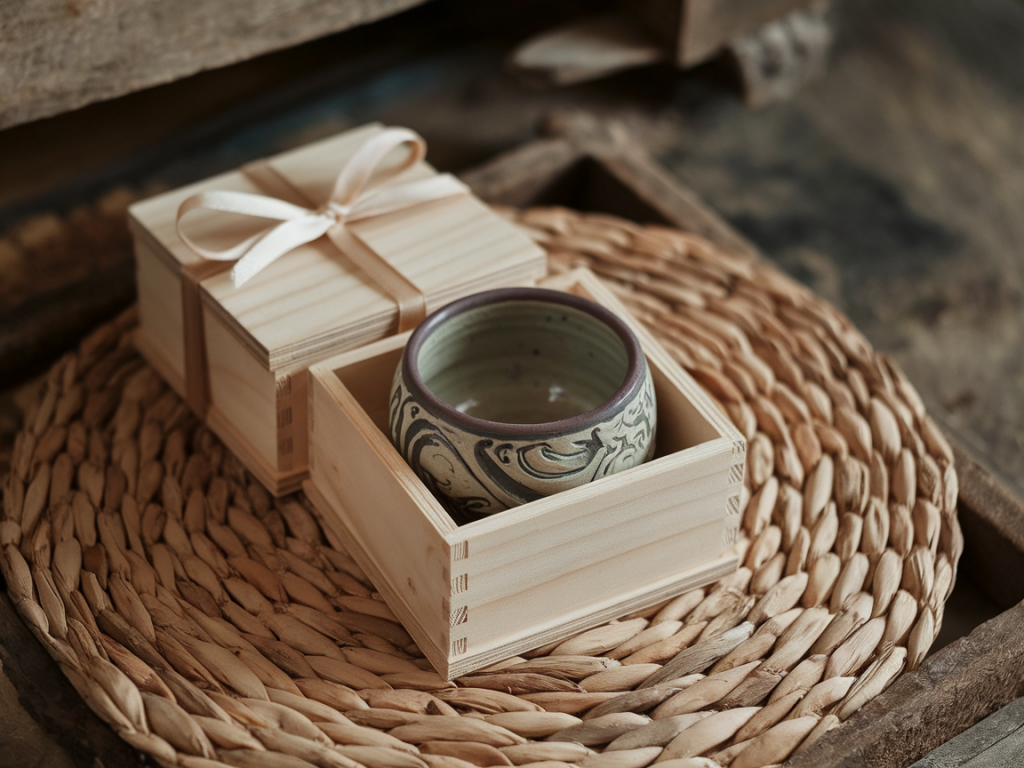
I have a habit of coming home from trips with pockets full of receipts, a mix of good intentions and impulse purchases. Over time I learned that the best souvenirs are the ones that feel like discoveries—objects that carry a maker’s hand and a small story—rather than mass-produced trinkets that end up at the back of a drawer. The challenge, though, is telling the two apart when you’re walking through a busy market at noon, juggling a map and the kindness of a street vendor who insists the price is “special for you.” I started asking different questions, changing where I shopped, and paying attention to details that reveal whether a purchase genuinely supports local makers or simply pays a tourist premium.
Look for the maker, not the mall
My first rule is to prioritize places where I can meet the maker or at least see where something was made. Studios, workshops, co-ops, and small galleries are much more likely to channel money directly to the person who produced the object. On a trip to Oaxaca I spent an afternoon in a family-run pottery workshop rather than the central market. I left with a plate that cost a little more than the street stalls, but I had watched it being shaped and glazed, I met the potter’s daughter, and I could tell the glaze was one-of-a-kind.
By contrast, souvenir stalls clustered around tourist attractions often stock items made by intermediaries—pieces assembled elsewhere or produced in bulk. If you can’t meet someone on site, ask where the item was made and who made it. A clear, specific answer (for instance: "made by María López in San Agustín") is a good sign. Vague responses or a shrug usually mean the chain of production is longer than you want.
Ask a few useful questions
- Where is this made? Local-made is good; locally-assembled from imported parts is less ideal.
- Who made it? A name, a family, or a mention of a workshop is a positive indicator.
- How long did it take? Handmade items usually have a story of time invested; instant production is suspicious.
- What materials are used? Natural, locally-sourced materials often mean the craft has cultural roots and local economic benefits.
These questions are practical, not confrontational. When I ask, I try to show curiosity rather than suspicion. Most makers are proud of their work and appreciate interest in process and provenance.
Recognize signs of genuine craft
There are physical cues that point to authenticity. Imperfections are not flaws in this context; they're proof that a human hand was involved. Slight irregularities in glaze, asymmetry in hand-sewn stitches, visible tool marks—these are the makers’ fingerprints. Conversely, identical items with pristine, machine-perfect finishes are likely produced in bulk.
Materials also tell a story. Handmade leather that smells rich and has a natural patina; textiles woven from local fibers like alpaca, cotton, or silk; wood with tool marks and variation—these are clues you’re buying something rooted in place. On a winter trip to Kyoto I bought a small hand-stitched furoshiki from a woman who used locally dyed indigo. The cloth was uneven in color and exquisitely soft; it wasn’t cheap, but it felt honest.
Know the fair price (and how to avoid tourist premiums)
Understanding local price context helps avoid paying too much. Before I travel, I spend a little time researching typical prices for items I’m interested in—look up local craft cooperatives, read blogs, and check marketplaces like Etsy to see what similar handmade items go for. This gives you a baseline so you can recognize a fair offer versus a tourist markup.
- Buy outside the main tourist area. Walk a few blocks away from the landmark markets—prices often drop and the selection can be more authentic.
- Visit cooperative shops. Many regions have co-ops that operate on fair-trade principles and pay makers properly. They might be slightly pricier than street stalls, but the markup goes to transparent, ethical ends.
- Time your purchase. If you can, visit markets near closing time. Vendors may lower prices to move stock, but don’t use this as the only tactic; bargaining culture varies and haggling aggressively can harm relationships in some places.
Learn the local bargaining etiquette
Bargaining is an art, and it’s different everywhere. In Morocco or Turkey, it’s expected. In Scandinavia, it’s not. I always look up local customs before I buy. When haggling, I aim for a friendly tone: smile, offer a reasonable counter, and be prepared to walk away. If the vendor is a maker with a family workshop, I’m less likely to haggle aggressively—I'd rather pay a fairer price than drive the seller below a livelihood.
Prefer longevity and use over novelty
I try to buy items I’ll actually use. A handwoven tea towel, a porcelain mug, a leather key fob—these integrate into daily life and carry the memory of the place. Fragile souvenirs that live forever in boxes rarely get used. The most rewarding purchases for me have been functional: cooking tools from a cooperative in Sicily, a hand-carved wooden spoon from a small workshop in Norway, a woven basket used weekly for groceries. These items justify a higher price because the utility compounds the value.
Look for collective and certified initiatives
Organizations like Fair Trade, Craftmark, or local artisans’ cooperatives can be useful signals. They’re not perfect, but certification often means better distribution of proceeds. In India, for example, the Dastakar and SEWA cooperatives connect artisans to markets more fairly than middlemen do. Similarly, many countries have artisan development boards that run shops designed to benefit creators directly.
Think about shipping and customs
Large, bulky items might be made locally but become impractical due to shipping costs and customs. I weigh the environmental and financial cost of shipping versus the symbolic value of the object. For heavy pieces I love—like a hand-carved bench—I ask whether the maker has an export channel or a relationship with a gallery that handles shipping. Sometimes the best choice is to buy a smaller piece by the same maker or a sample of their work that’s easy to carry home.
Document the story
When I buy something from a maker, I ask for a note: a card with the maker’s name, the village or workshop, and a brief description of the technique. I keep these notes with the object. Years later, a simple label transforms a souvenir into a story you can tell, and it becomes easier to recommend that maker to friends, sell their work online, or seek them out again.
When to walk away
I always resist purchases that feel extractive or disingenuous. If a vendor claims an object is “traditional” but it’s made from cheap plastic or the price seems suspiciously high for the region, I walk away. If the seller is evasive about origins, doesn’t allow photos of their workspace, or seems to be a middleman profiting off others’ labor, it’s a red flag. Walking away is often the kindest act—you preserve your own standards and leave room for better, more ethical exchanges.
Over time I found that choosing souvenirs with care changes how I travel. The objects I bring home are smaller in number but richer in meaning. They remind me not only of places, but of the people and processes behind them—and the quiet joy that comes from supporting a maker in a way that respects their time and craft without paying only for my status as a tourist.
| Tip | Why it matters |
|---|---|
| Buy where the maker works | Money goes straight to the creator; you get provenance |
| Ask who made it | Names indicate traceability; helps avoid middlemen |
| Prefer functional items | Higher long-term value and daily reminders |
| Check materials and finish | Authenticity clues; handmade traits are desirable |
| Know local bargaining norms | Shows respect and helps set fair price |