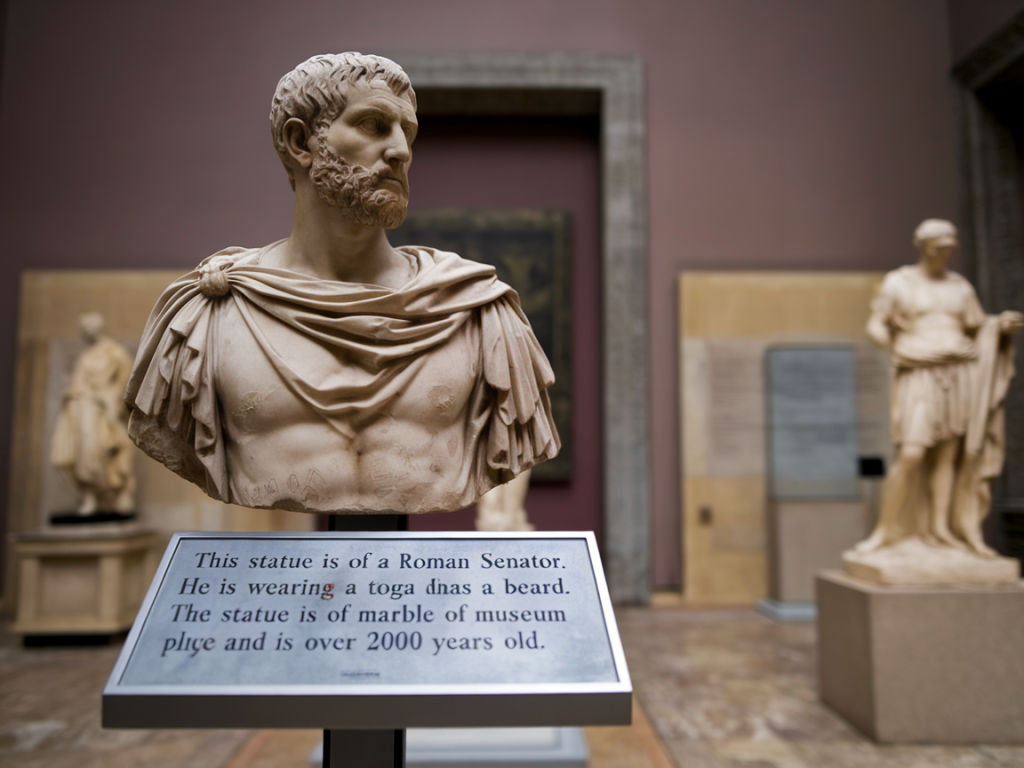
Walking through a museum, it's tempting to treat the objects as scenery: beautiful things behind glass, a backdrop for selfies, or tokens in a checklist of must-sees. Plaques — those little cards of text next to exhibits — often get skipped or skimmed. Yet they are the easiest, most democratic way museums have of handing you context, argument, and invitation. If you read them well, you don't just learn facts: you learn how to think about art, history, and the people who made, used, or displayed those objects.
Why read a plaque at all?
Plaques are not neutral. They are curated pieces of writing designed to guide attention, frame value, and sometimes to correct old narratives. A plaque can tell you what a thing is, where it came from, who made it, how it was used — but it can also offer a point of view. That point of view might be conventional, provocative, or quietly revisionist. Reading plaques is a way to eavesdrop on the museum's voice. It helps you understand not only the object but the institution and culture interpreting it.
Start with the basics: the metadata
When I approach a plaque now, I look first for the simple facts — the metadata. These are the building blocks that will orient you quickly.
Reading these elements quickly lets you situate the object. You begin to ask better questions: why this material at that time? Who benefits from this object's display today?
Spot the curatorial choices
Plaques are tiny acts of storytelling. Pay attention to what they emphasize and what they leave out. A few things to notice:
Curators decide what story to tell. If you notice a recurring omission — say, little mention of labor or context — that absence is itself informative.
Ask three quick questions
Once you've read the plaque, try asking yourself three short questions. They help move from knowing to understanding:
These questions turn plaque-reading into a conversation rather than a passive intake of facts.
Layer your learning: cross-reference quickly
A plaque is a doorway, not the whole house. Use quick, portable ways to add layers:
On my phone I sometimes save a tiny note: "Why glazed tile?" or "Ask about provenance." That turns a passive visit into a research hobby that unfolds over time.
Read for method, not just meaning
Museum plaques sometimes reveal the method behind display choices. If a plaque discusses conservation techniques, dating methods (like dendrochronology or radiocarbon), or restoration ethics, pay attention. Those topics show you how knowledge is produced, and help you judge when to trust an interpretation.
For example, if a plaque mentions that pigments were identified through spectroscopy, that tells you the color analysis is more than guesswork. Methodological transparency increases confidence in the claim; methodological silence may mean the dating or attribution is more tentative than presented.
Engage with dissenting voices
Many contemporary plaques now include counter-narratives: voices of indigenous communities, former owners, or interdisciplinary scholars. When a plaque offers multiple perspectives, it's inviting you to weigh them rather than accept a single authoritative history.
If a museum's text feels defensive or evasive — say, glossing over how an item entered the collection — that suggests ongoing ethical or legal debates. I usually follow up by checking the museum's website for acquisition histories or visiting news articles. Debates over restitution, display, and interpretation are part of the object's life.
Treat the plaque as the start of curiosity, not the finish
The most productive way to read a plaque is as an opening line. Let it give you one clear image, one odd fact, and one question. Those three small things are enough to carry a visit forward. A plaque isn't meant to end your curiosity; it's meant to seed it.
Practical tips for your next visit
On a recent trip to a provincial art museum, I took that last tip: I spent twenty minutes in front of one small painting reading every plaque I could find and following three footnotes on my phone. By the end of the afternoon I had a richer sense of the painter's local networks and a clearer question about how industrial pigments changed color palettes in the 19th century. It began with one careful plaque and a refusal to let the text be the last word.