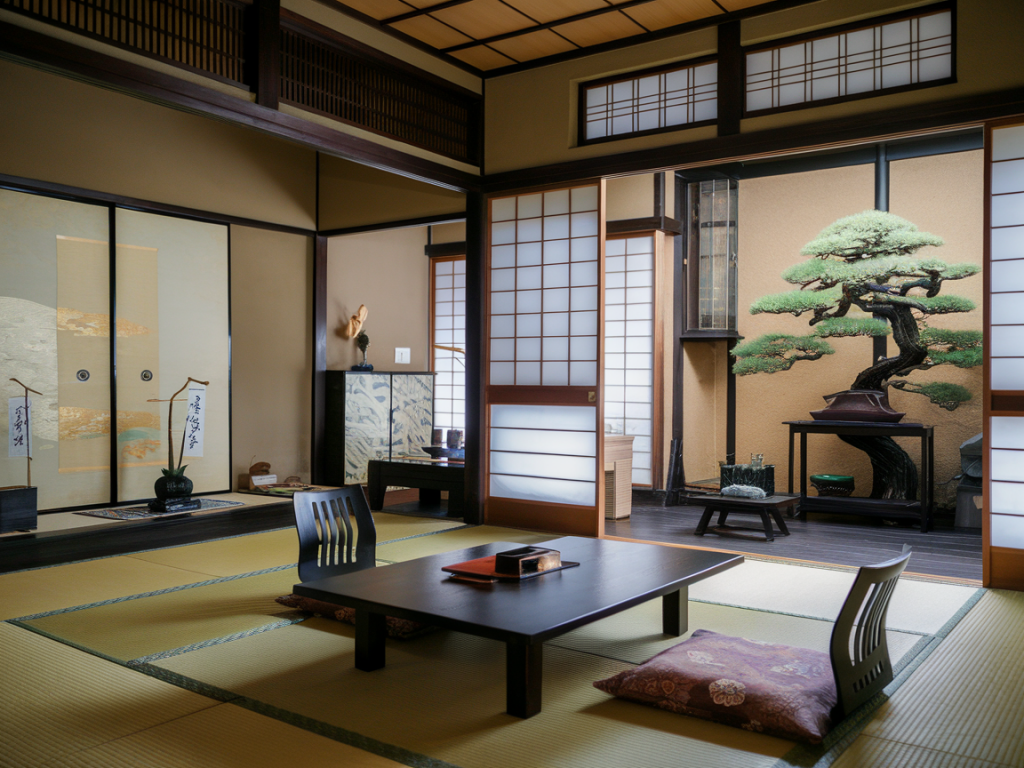
I remember the first time I stayed in a ryokan—the traditional Japanese inn—feeling oddly exposed and oddly cocooned at the same time. The room was spare: tatami mats, low table, a sliding shoji that blurred the outside light. I fumbled with the slippers at the genkan, paused at the steaming of the tea, and later woke to find the futon folded away and a breakfast tray waiting like a gentle instruction manual for how to be present. Those small, explicit rituals—the "tiny rules" of ryokan life—did more than teach me manners. They rewired how I traveled for the next few years.
Why the rules feel so small and so big
Ryokan etiquette is deceptively simple: remove your shoes, walk barefoot or in socks on tatami, wear the provided yukata, don’t take towels into the onsen, speak softly in shared spaces. Each rule is concise and sensible. But living with them for a few days creates a pace and a focus that most hotel stays never demand. The rules act like a choreography that slows you down by design.
What I find fascinating is how such small instructions shape attention. When you must remove your shoes, you notice the floor beneath your feet. When you slip into a yukata, you touch fabric in a different way. When there is one sink in the corridor rather than an en-suite bathroom, you wait, you watch another guest brush their teeth with an almost private rapport. These micro-encounters amount to a different sort of travel: quieter, slower, more relational.
Practical rituals that force you to slow down
Here are some of the ryokan rules I’ve learned to appreciate—not as constraints but as ways to shift tempo:
What these rules teach about attention
The most important lesson is that rules can direct attention without nagging. A ryokan’s guidelines are neither moralizing nor theatrical; they exist to preserve a shared environment. They require small acts—taking off shoes, washing, wearing a yukata—but these acts compound into a different relationship with time. You stop multitasking. You sit and wait; you watch steam rise; you listen to the faint sound of sliding doors.
When I stayed in small ryokan in rural Kanagawa and again in a mountain town near Kyoto, I noticed the same effect. Without the usual stimuli—no minibar to raid, no TV blaring, no endless room-service menus—I was left with a few tangible sensations: the warmth of the bedding, the taste of the miso, the smell of tatami. It forced a narrower, deeper kind of noticing. That narrowing felt like a kind of generosity toward the moment.
How to carry ryokan lessons into other travel
You don’t need to fly to Japan to borrow this pace. Here are practical ways to translate ryokan etiquette into slower travel habits:
The social intelligence of small rules
Ryokan etiquette also teaches a gentle form of social intelligence. Rules frame expectations so you don’t have to guess whether your behavior will be welcome. They reduce friction. When guests follow the same tiny script, everyone benefits from the shared rhythm: meals are enjoyed, baths are respected, rooms remain calm.
On one trip, I chatted with an older Japanese guest about his ritual of arriving early to soak quietly before breakfast. He told me, with kind amusement, that the ryokan keeps time differently—its clock runs on rice and hot water rather than the grid of appointments and alerts. I liked that image: a communal scheduling system built from repeated, low-stakes acts of courtesy.
Small rules, generous effects
When you return from a few days in a ryokan, the temptation is to label the place as “authentic” or “quaint.” But the more useful takeaway is practical: rules that demand minimal attention yield maximal presence. They convert chores into rituals. They bind strangers into a quiet social contract. They make you move differently inside a place, and by extension, they make you travel differently.
If you’re planning a trip—whether to Japan or to somewhere closer to home—think about what tiny rules you can adopt that would make the experience slower and more intentional: a morning ritual, one shared meal, a deliberate pause before stepping out. You might find that gentle constraints free up the attention necessary to travel well.