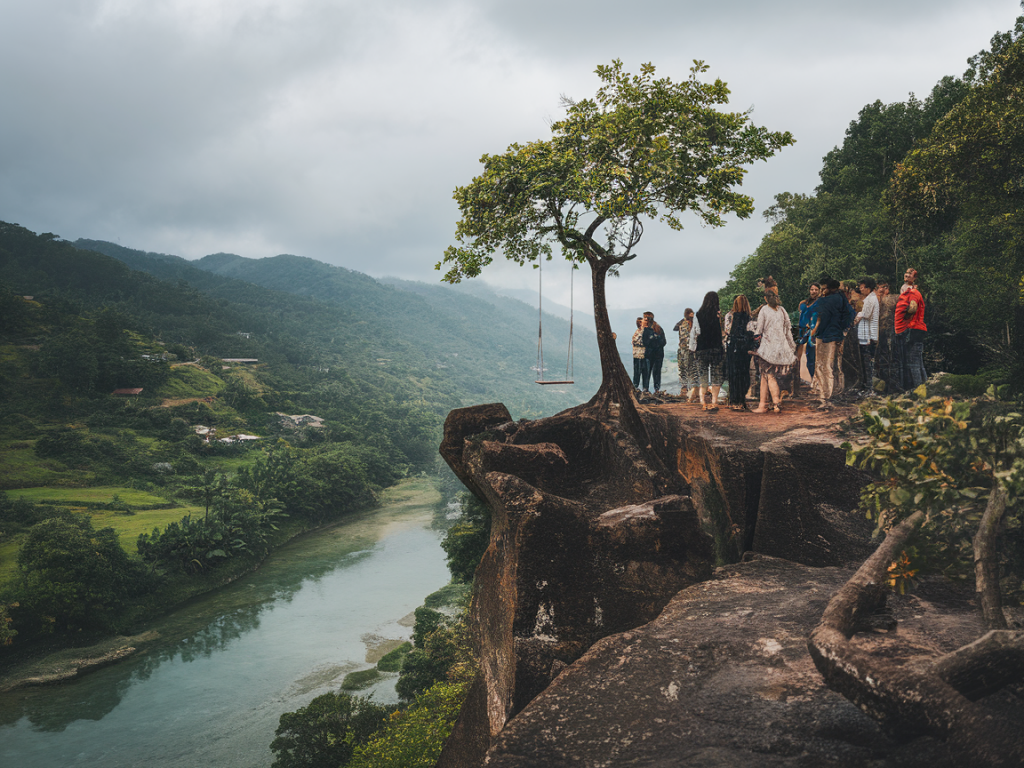
I used to think ethical travel was a checklist: avoid obvious scams, don’t ride elephants, and book with the “green” company on Instagram. Over years of wandering and getting things wrong, I’ve learned it’s messier. Ethics in travel isn’t a label you can slap onto a booking; it’s a set of judgments you make before you buy a ticket and ones you reassess while you’re there. Below are five concrete questions I now ask before I book anything — questions that help me weigh trade-offs and travel in ways that are more likely to respect people, places, and ecosystems.
Who benefits from my money?
This is the most practical question I start with. When I book a tour, stay in a guesthouse, or buy a craft, I try to trace where the money flows. Does the community I’m visiting actually see the revenue, or is it mostly siphoned off to international booking platforms and foreign-owned hotels?
Concrete ways I check:
There’s no perfect answer. I’m okay paying a bit extra when I know a greater share helps the people I meet.
Does this activity respect local culture and dignity?
Respect isn’t only about overt harm; sometimes it’s about nuance and representation. I avoid experiences that turn people into props or commodify sacred practices for a photo-op.
Questions I ask and signs I watch for:
On a trip to Oaxaca I once declined a “traditional weaving demonstration” because the studio invited only tourists and paid the weavers a flat fee that didn’t reflect the skill involved. Instead, I found a cooperative where artisans explained their craft in their own words — it was quieter, more honest, and worth every extra dollar.
What are the environmental costs?
Climate and conservation concerns are unavoidable. I weigh the carbon footprint of travel, the impact of local activities (like boating or trekking), and whether businesses practice sensible stewardship.
Practical checks I make:
Environmental ethics isn’t about guilt-free travel; it’s about reducing harm and choosing options that encourage long-term stewardship.
Who sets the rules and where does decision-making sit?
I’ve learned that a lot of ethical ambiguity reduces to power. Who decides the schedule, the price, the itinerary, and what parts of the place are “for tourists”? If outsiders—developers, tour operators, or governments—shape those decisions without local input, the results are rarely sustainable.
How I assess decision-making:
On a safari in Namibia, I chose a lodge that operated as a trust with local community representatives; it wasn’t the cheapest option, but I felt my stay supported local priorities rather than outside development schemes.
Am I prepared to be flexible and listen?
The last question is about attitude. Ethical travel requires humility and the willingness to adapt. I don’t arrive with a rigid agenda; I prepare, but I also listen to hosts and guides and change plans if what I’m doing causes discomfort or harm.
Practical habits I cultivate:
Once in a coastal village in Indonesia, I planned to go on a boat trip. The fishermen suggested a later time to avoid disturbing juvenile turtles. I changed my plans without complaint — it felt like the right trade-off.
Quick decision-making table
| Question | Red flag | Green sign |
|---|---|---|
| Who benefits? | All profits go to foreign owners; staff not named | Local ownership or transparent revenue-sharing |
| Cultural respect | Staged performances; no community consent | Community-led experiences; clear visitor guidelines |
| Environmental cost | Unmanaged waste, off-trail access | Small groups, waste policies, conservation fees |
| Decision-making | Top-down development; no local voices | Local representation; reinvestment plans |
| Flexibility | Rigid itineraries; hosts ignored | Hosts consulted; willingness to adapt |
These five questions aren’t a moral checklist that guarantees a sinless trip. They’re a way to make better choices in a world of compromises. I still make mistakes. What matters is that I try to learn from them: asking a question, listening to the answer, and letting my booking dollars reflect a sense of responsibility rather than a desire for spectacle. If you carry these questions with you the next time you plan, you’ll be better equipped to choose experiences that do more than entertain — they can sustain, respect, and connect.